Rangers caring for country
Land and Sea Rangers work to protect the natural and cultural values of land and sea Country. The work of each ranger groups is guided by Traditional Owner aspirations, conservation values and priority management issues.
Below are just some examples of the many different activities that rangers undertake.
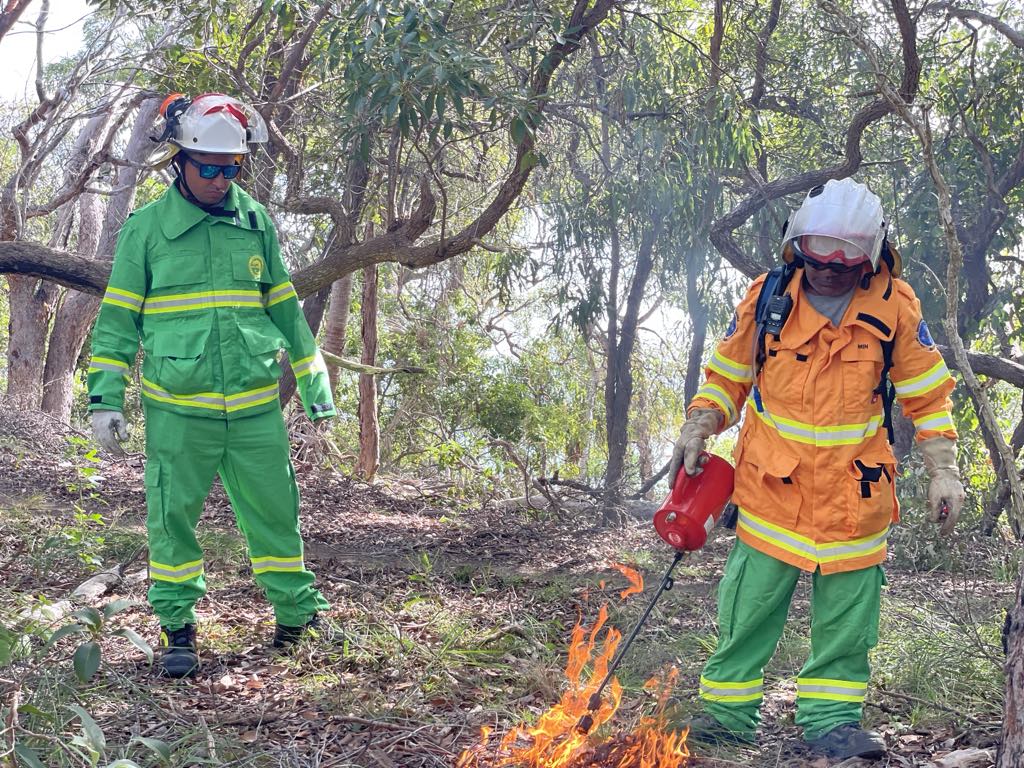
Managing country with fire, Bulmba rangers, Mona Mona/Kuranda, North Queensland
Indigenous rangers use fire to keep Country healthy, maintain and restore biodiversity, protect cultural heritage and reduce the threat of bushfire.
Managing country with fire
My name is Dameon Hunter, I’m the Djabugay Rangers Coordinator and we’re out here on Djabugay country, Nadjon Bulmba.
We’re here to talk about cultural burning and traditional practices. It’s important for us to bring back traditional practices to help maintain our country.
This once used to be open woodland country, but now you can see it’s unhealthy country. Overgrown grasslands, introduced weeds, and introduced tree species. But by using our knowledge and by passing down from generations to generations, over thousands of years, we can start the healing process of our country.
This is done by putting in the right burns at the right times of year. This will help our native trees, put in the right soil, help our bush foods and bush medicine trees, and also help the wildlife but most importantly it will help the prevention of wildfires.
Healthy country, Bulmba gurri, equals healthy people, Bama gurri.
So we got a spiritual song that we use when putting a cultural burn in and this will help heal the country and help bring back our bush foods, our bush medicines that’s important for our people.
(Singing in language)
Here we have healthy country. This is due to the correct fires that’s been put in place by us, at the right time of year.
Here we have our native tree species, the bloodwood, which is the most dominant tree for this country, which thrives on these fires.
Down here, we have our native grasses. Here we have our kangaroo grass, in our language we say the Nguyay. Also we have the Dalmba (lomandra) grass, which our people use for basket weaving. These are all good indications of healthy country. That’s why it’s important for us to practise our traditional knowledge.
I want to explain why it’s important, why we have to do cultural burning around our waterways. If we put a hot burn through here, all of this edge of the lagoon here will eventually get burnt and it will start to dry up the lagoon. And then the fish life inside of there, the freshwater turtles, the fishes, ah you get the eels as well, they’ll eventually all disappear, and be gone. So that’s why we need to put the right burn in at the right time of year.
It’s very important and also I’m very privileged to be working on my own country. Not many people can say that, that they get the chance to work on their own country. Because having that knowledge that’s been passed down from my ancestors to me, it just makes me want to strive and do more to help our country and get it back to how it used to be thousands of years ago.
Managing cultural heritage, Laura rangers and Balnggarrawarra (Melsonby) rangers, Far North Queensland
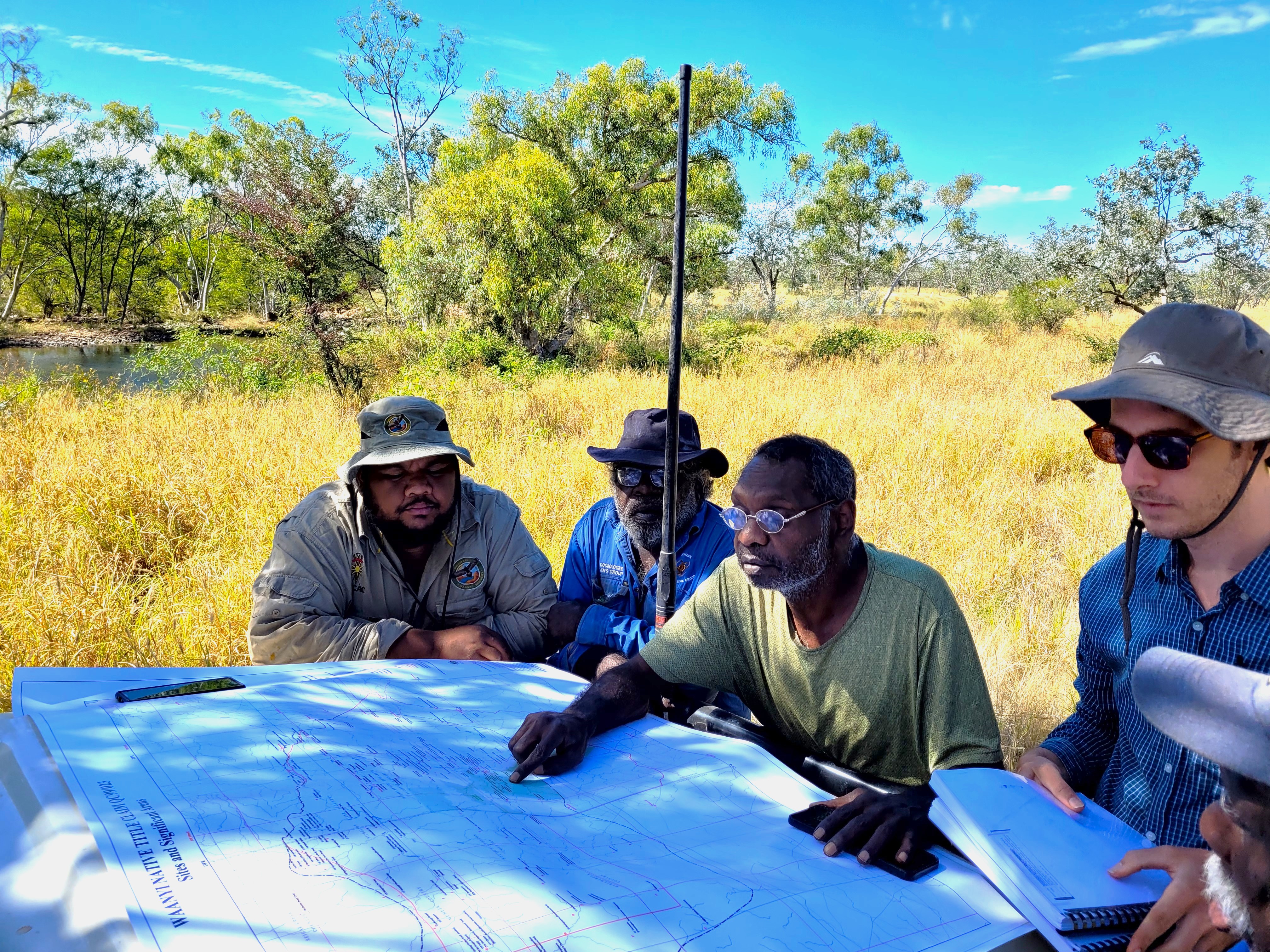
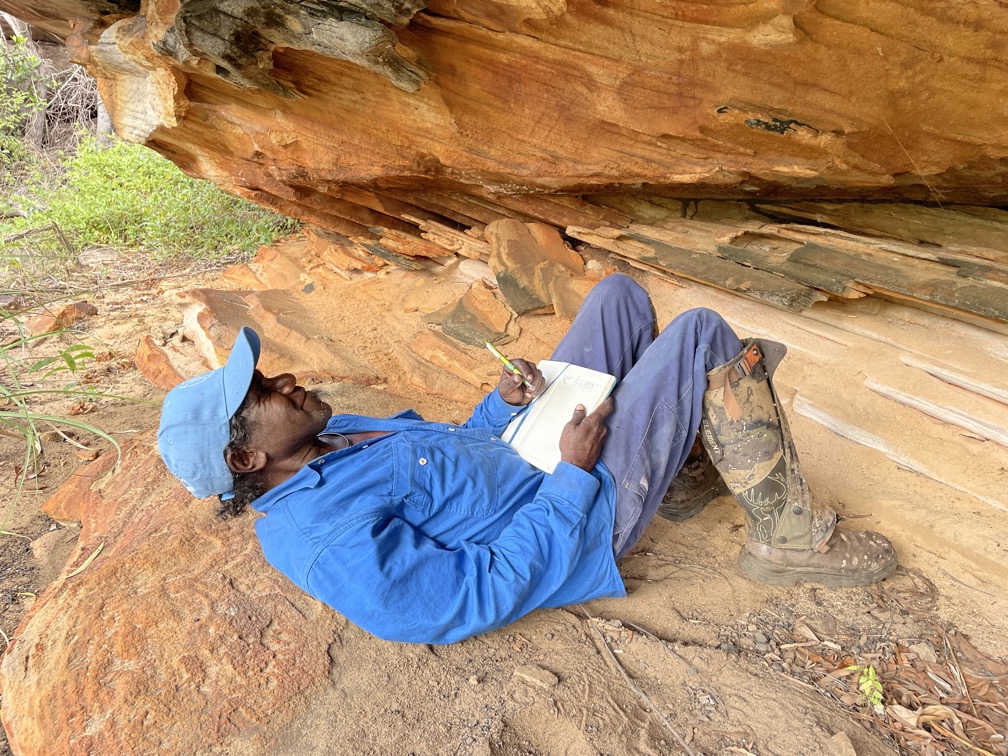
Ranger teams survey, record, and protect cultural heritage sites such as rock art sites, scar trees and stone arrangements on their Country. They often partner with research organisations by sharing and exchanging knowledge and skills.
Looking after cultural heritage
Hi, my name is Christine, I’m one of the Laura rangers. Gedday I’m Eleanor and I’m from Laura and I work for the Laura rangers here in Laura. Gedday, my name is Clifford, I’m from Chillagoe but I work for the Laura rangers in Laura.
Today we are at one of the rock art sites we have recorded. It’s one of many of our rock art sites.
I think every rock art site you see, it comes from the painting, it tells you from the painting of the tribal, their body structures and the way the ancestors painted themselves on the wall.
I think it may tell you the different tribes, the dot paintings, the line paintings, maybe it’s a medicine man, or a song man or a lady. Maybe because they’re passing on site or maybe because someone’s buried there, but it really depends on how you read it.
Go along the rock face and just wipe down all the things on the face of the rock. Take the rock art site, we put fence around it to stop animals getting in there because pigs, or wallabies or dingo go in there and rub up against the painting. And dingos dig up and the dust will go onto the paintings.
Here is some of the paintings, here there is a boomerang, a hand stencil, also you got one of the Quinkans that’s lying down. This could be a medicine man, we got an eel, and a foot stencil.
This painting here, as you can see they’ve been painted over each other. This one was painted most probably before whoever the first lot of family came here, painted there, that one. Then the next lot (maybe the same family, don’t know) have come back to the same area, painted over this, that other one underneath. They just keep on going , every time they come they paint over the other lot of paintings.
Porcupines (echidnas), turtles, yams, wallabies, that’s what the old people most probably ate in that time.
When the other tribes came through they would have seen what’s around here.
Here in Laura we put our culture first and our country. As rangers here in Laura, we’ve kept this certain place sacred. There are certain ones in the country that we don’t show to a lot of people, keep it sacred and protected. They all mean a lot, most of them are pretty sacred to the Traditional Owners and people past and present of the country. It does mean a lot, in every possible way.
Monitoring flora and fauna
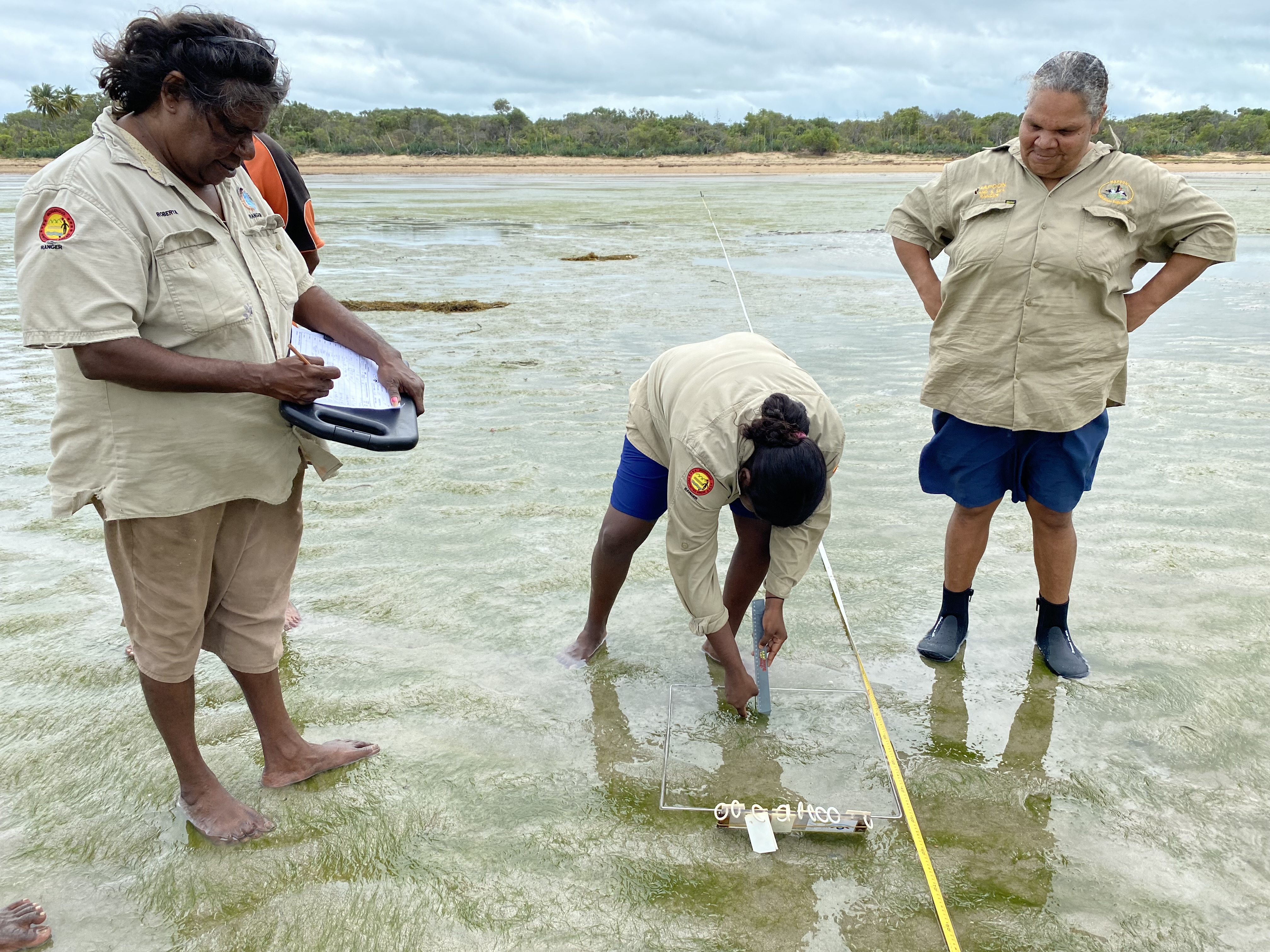
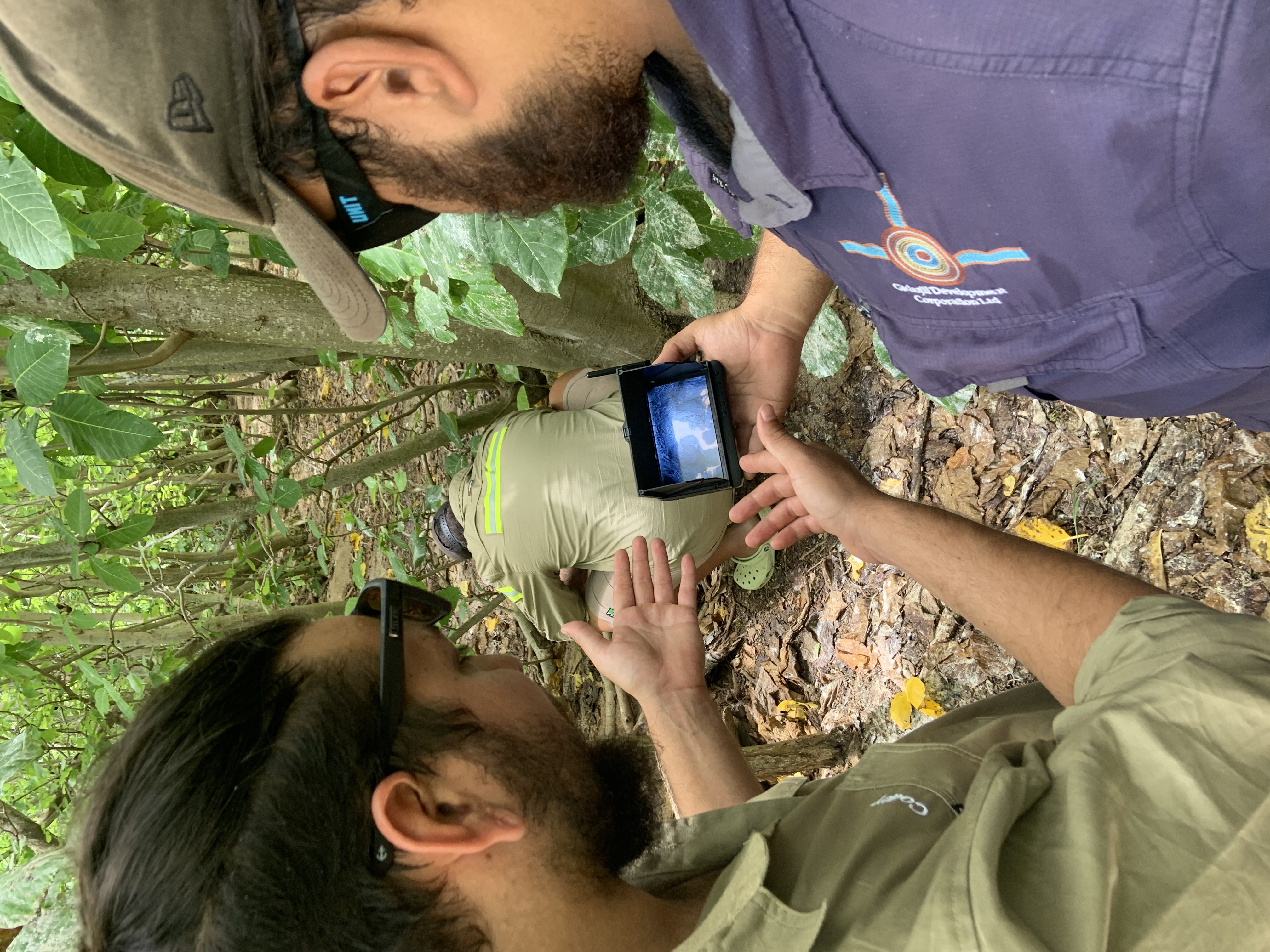
Rangers undertake regular surveys of native flora and fauna on Country, including vulnerable and threatened species, to provide important data that assists management and conservation of species. Gangalidda Garrawa rangers (Burketown) monitor the health of saltmarsh habitat.
(See image gallery)
Restoring Country
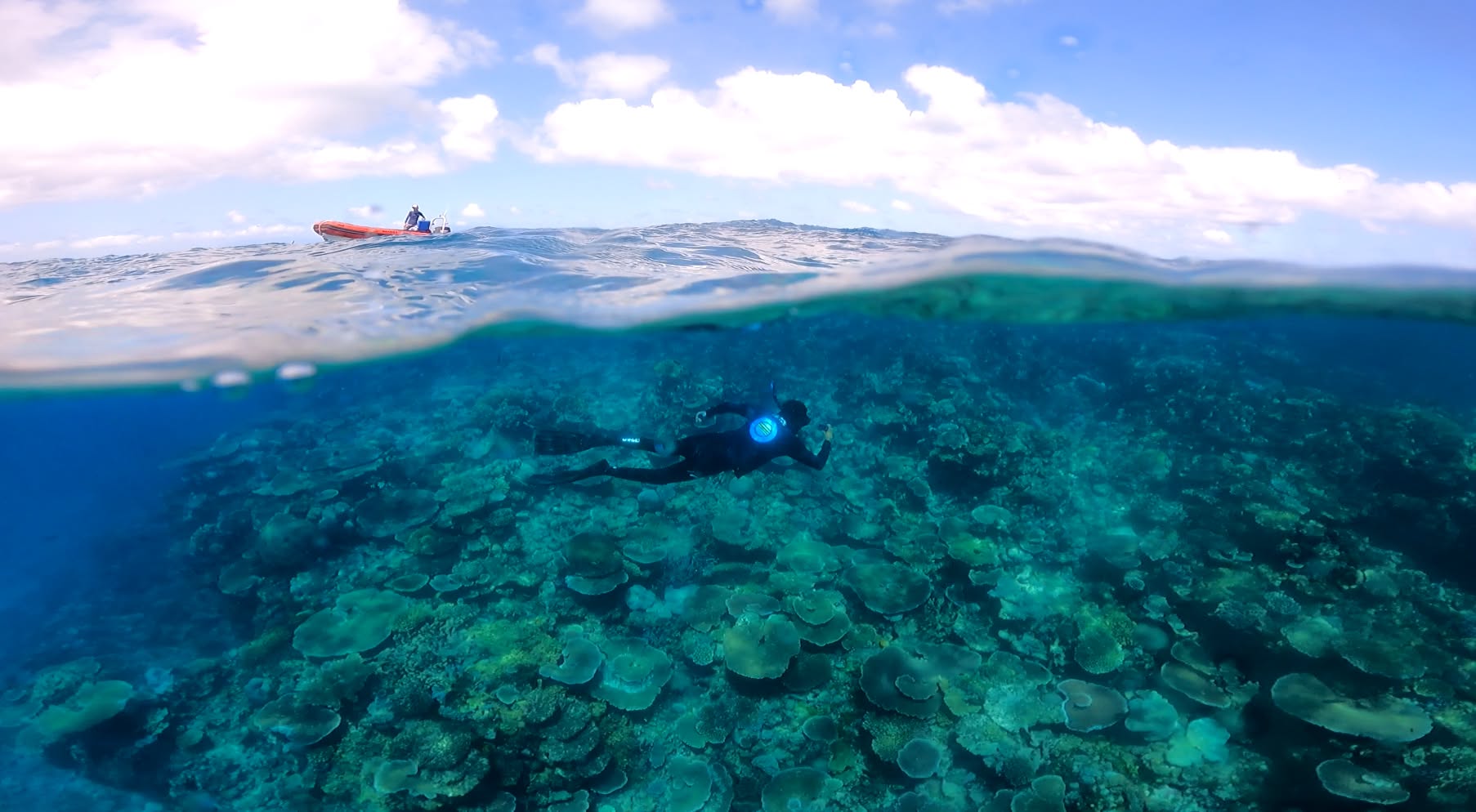
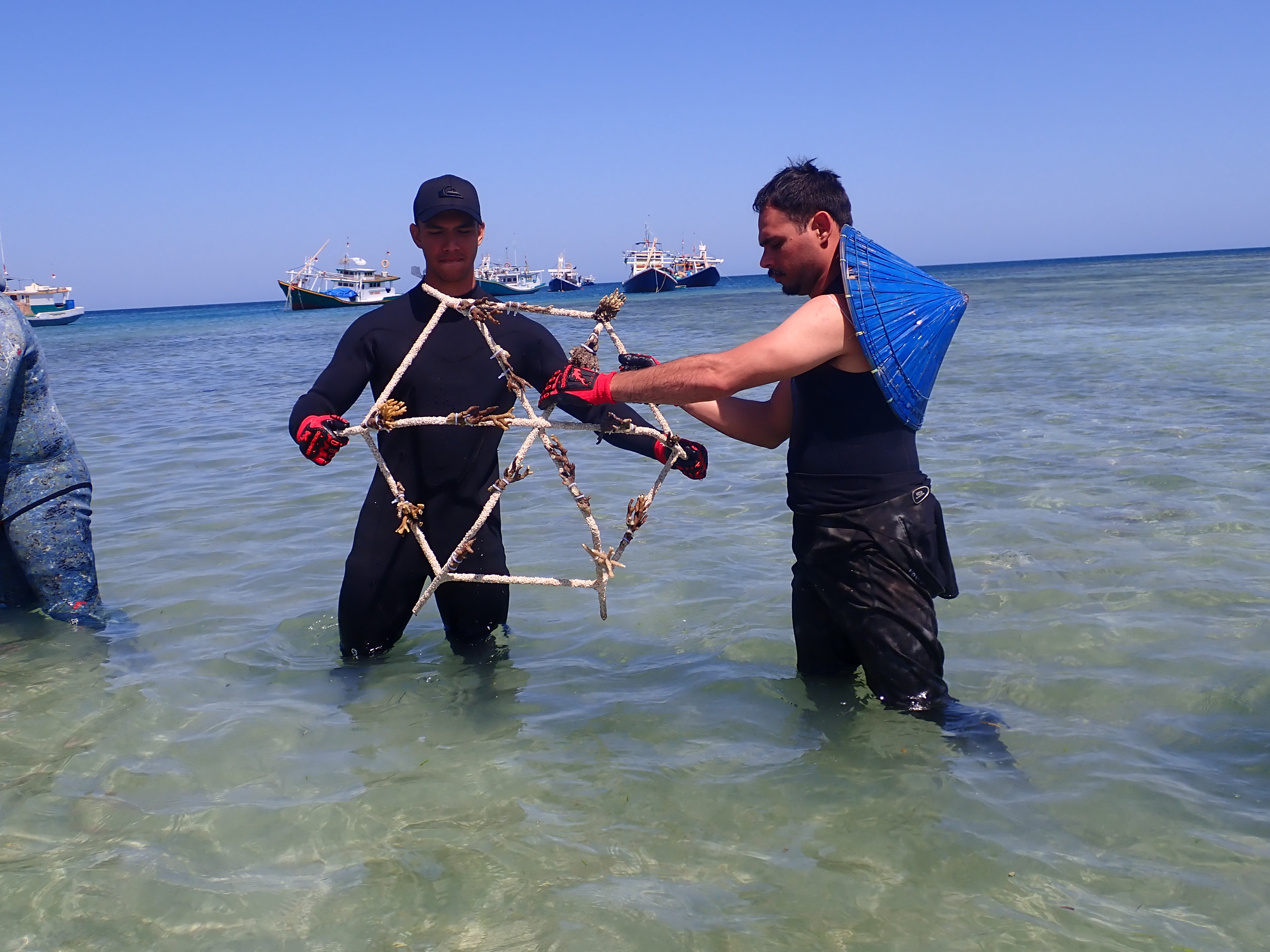
Many ranger groups work on projects to bring Country back to health, restoring diverse land and sea habitats. Yirrganydji rangers work with partners, The Reef Cooperative, to rebuild corals on degraded sections of the Great Barrier Reef using restoration technology known as ‘sea stars’.
Managing pests
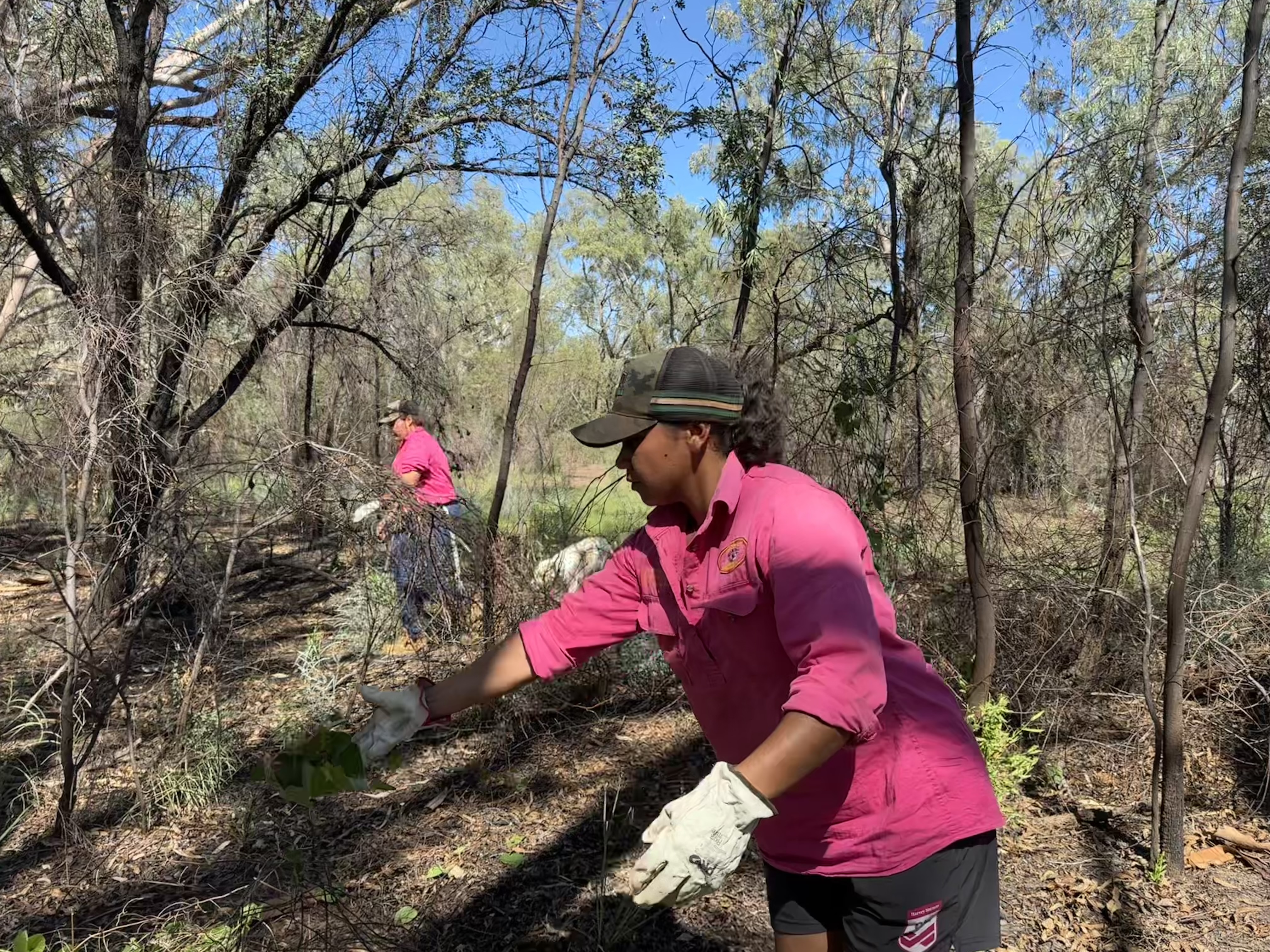
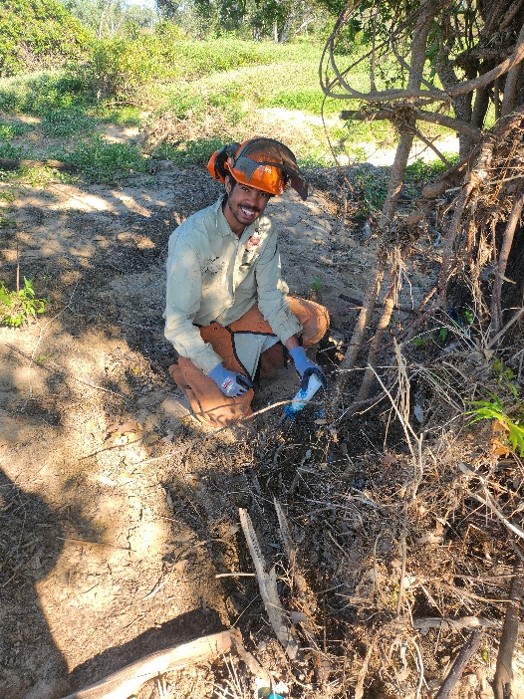
Pest plants and feral animals threaten native species and degrade Country. Many ranger groups undertake weed and feral management to protect the values of Country. Weed management is an important role of many ranger groups, including Ngumari Waanyi rangers at Bidunggu (Gregory), north-west Queensland.
(See image gallery)
Protecting native species
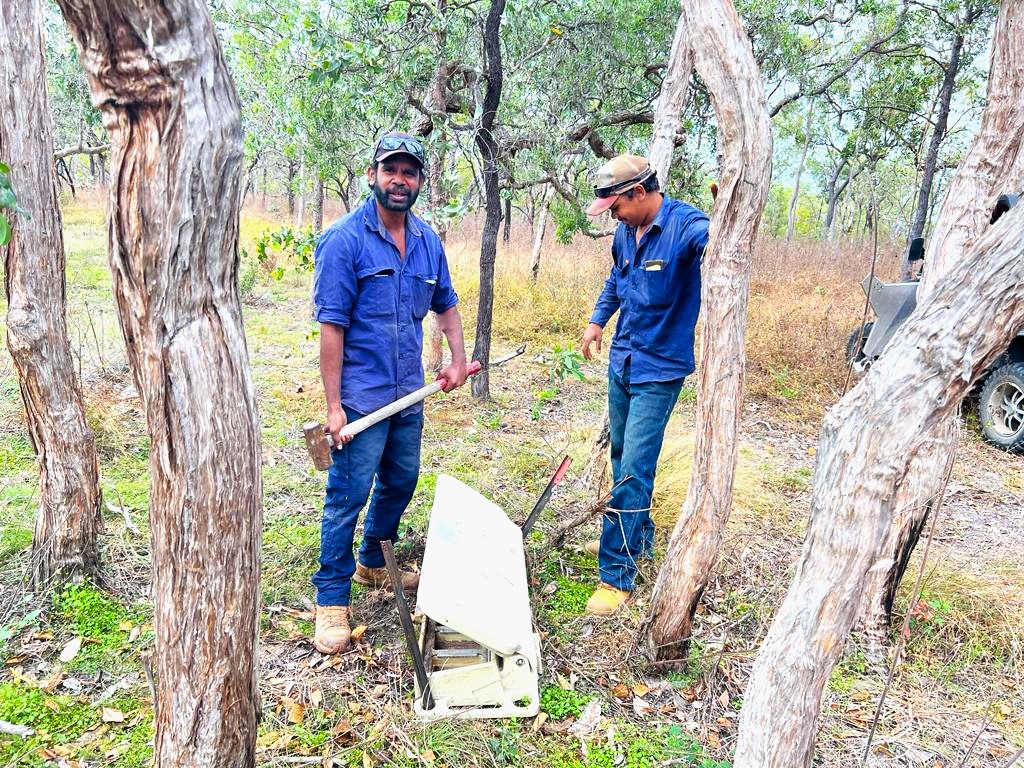
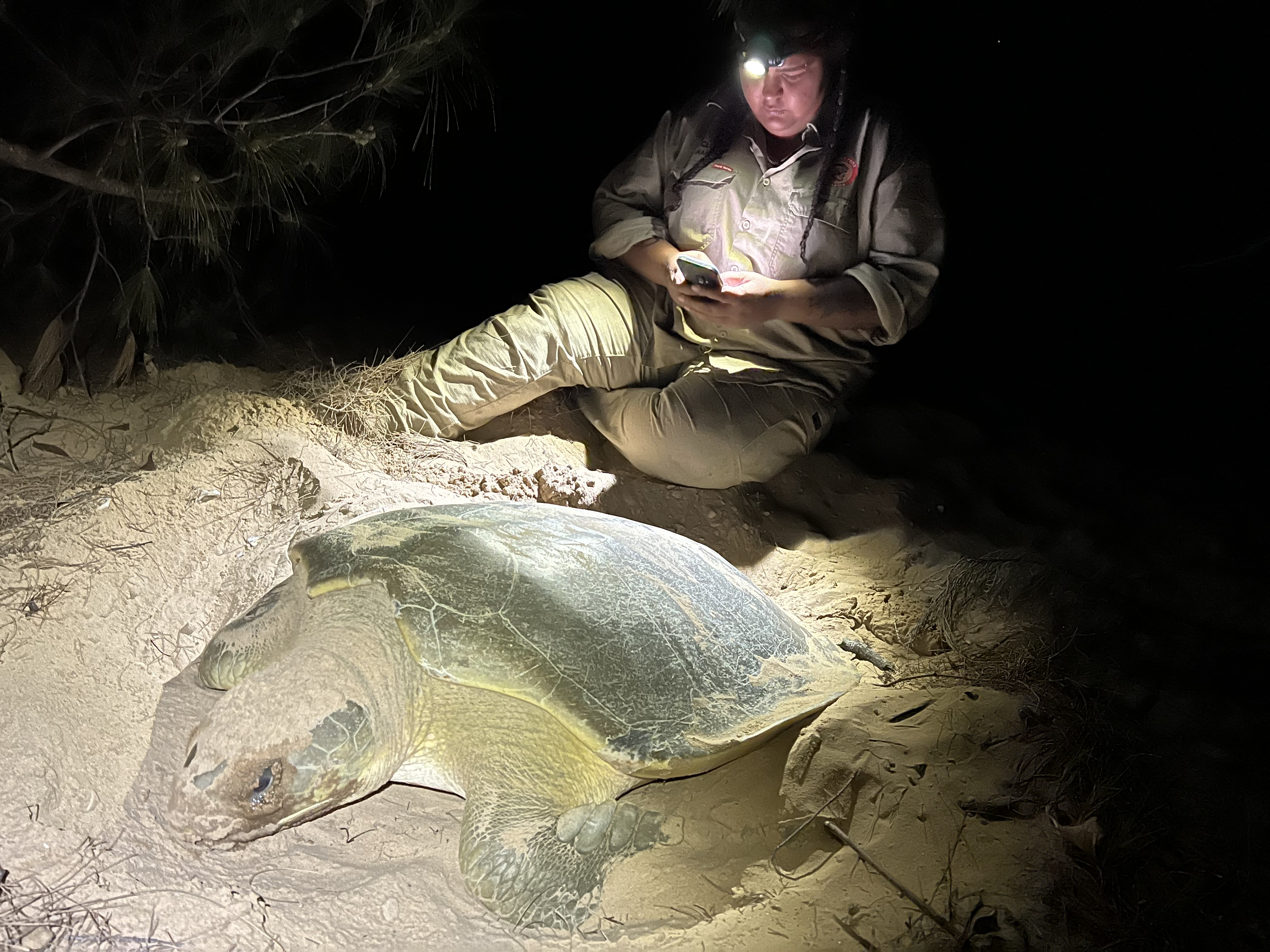
Indigenous rangers work to protect and conserve native species from threats such as feral animals and human impacts. Mapoon and Pormpuraaw rangers in western Cape York Peninsula install aluminium cages to protect the nests of sea turtles from predators such as goannas and feral pigs.
(See image gallery)
Managing visitor impacts
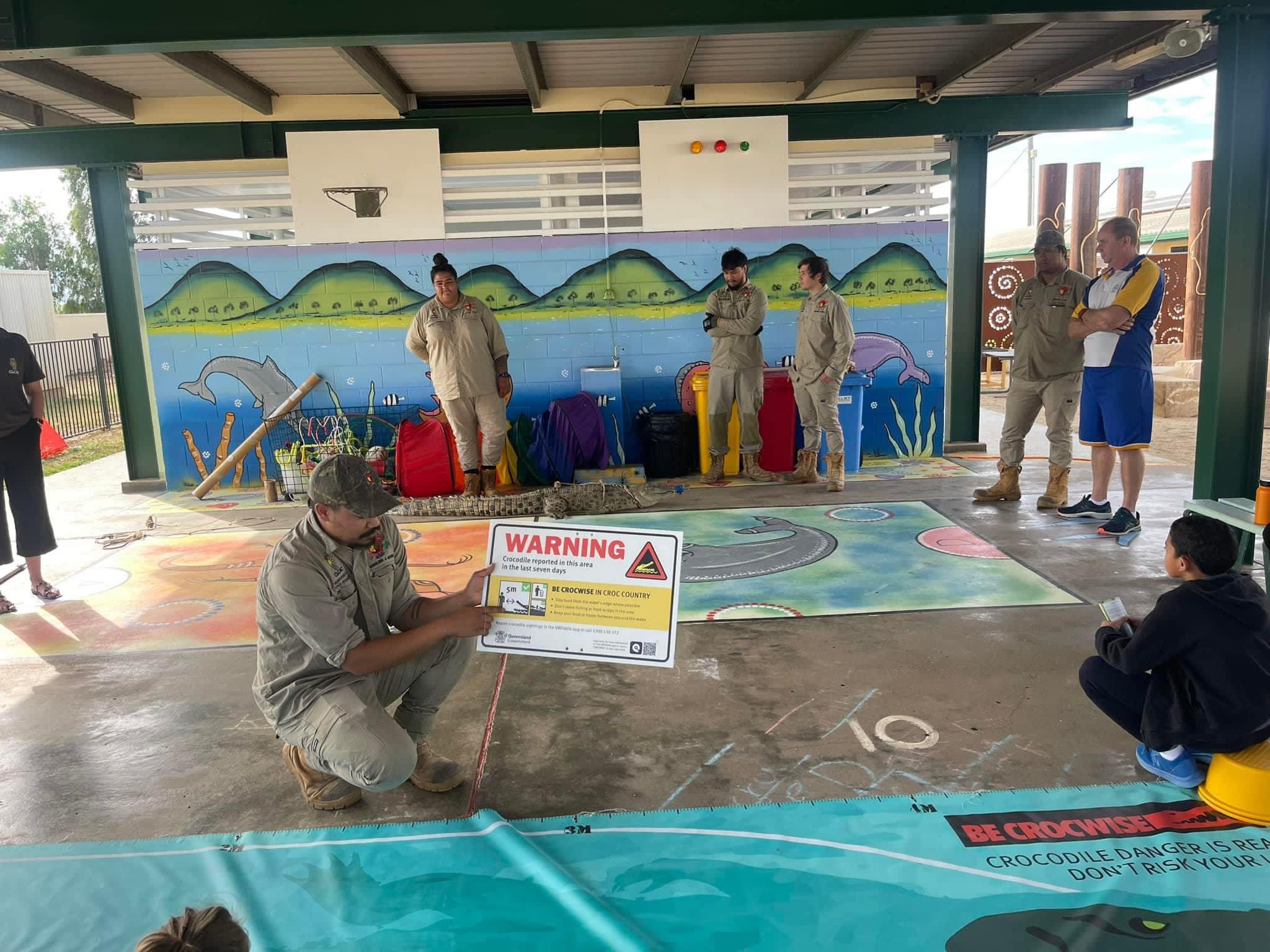
Visitors can inadvertently impact the natural and cultural values of Country. Many Land and Sea Ranger groups, such as Ewamian rangers, work to reduce visitor impacts by maintaining tracks, boot brush-down stations, fences, roads, and camping areas. They develop information signs and patrol visited areas, both on land and sea country, to help ensure that visitors follow regulations and best practices.
Offering tourism experiences
Some Land and Sea Ranger groups have developed tourism experiences on their country, where tourists can gain insight to First Nations cultures through participating in unique immersive experiences that are both culturally and environmentally sustainable.